

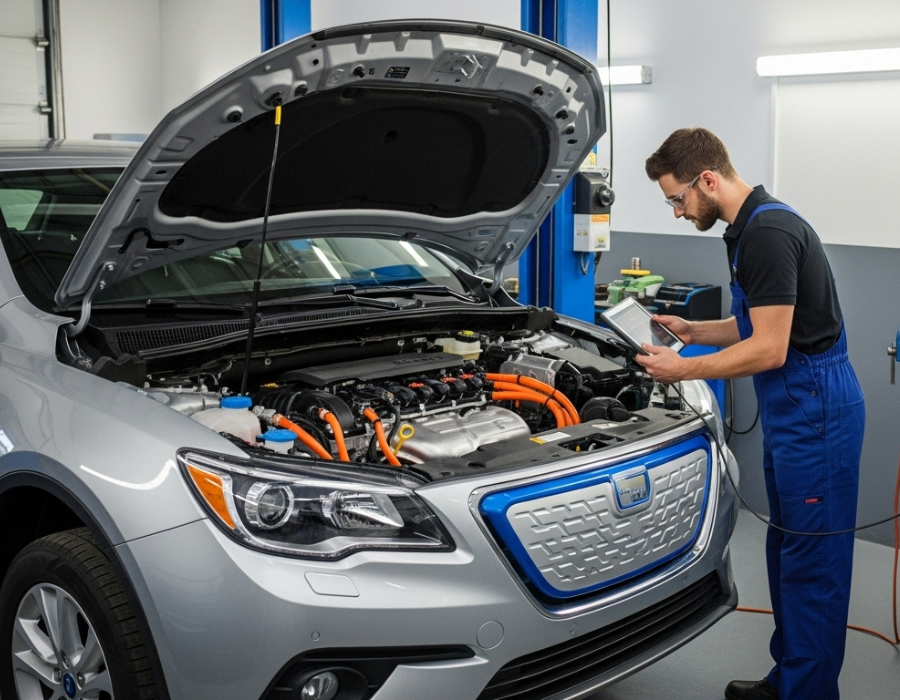
Plug-in hybrids are becoming more common on our roads, and for a good reason. They give drivers the best of both worlds: the convenience of a gasoline engine and the efficiency of an electric motor. But what happens when something goes wrong? How do you maintain and repair these advanced vehicles without breaking the bank or risking safety? If you’ve ever wondered what’s really involved in plug-in hybrid repair, this guide is here to help. Think of it as your friendly mechanic’s notebook, breaking down complex ideas into simple terms.
What is a Plug-In Hybrid (PHEV)?
A plug-in hybrid, often called PHEV, combines two power sources: a traditional gasoline engine and a rechargeable electric motor powered by a high-voltage battery. Unlike regular hybrids, plug-in hybrids can be charged using an external power source, such as a home charger or public charging station.
Imagine it like having two different fuel tanks—one for gas and one for electricity. You can drive short trips on electric power alone, then switch to gasoline when needed. This balance helps reduce fuel costs and emissions.
Why Plug-In Hybrid Repair is Unique
At first glance, a plug-in hybrid looks like any other car. It has an engine, wheels, and a steering wheel. But underneath the hood, it’s a different story. A PHEV combines traditional car systems with advanced electrical components. This makes repairing them more complicated.
While a regular mechanic can fix things like brakes, oil changes, and filters, repairing high-voltage batteries and electric motors requires specialized knowledge. Think of it as the difference between fixing a bicycle and repairing an electric scooter. Both have wheels, but one comes with extra technology that needs special care.

Common Plug-In Hybrid Repair & Maintenance Needs
Gasoline Engine System Maintenance
Because PHEVs still have a gasoline engine, they require the same type of maintenance as conventional cars. That means you’ll still need oil changes, filter replacements, spark plugs, coolant flushes, and brake servicing. Neglecting these basics can lead to costly repairs down the road.
Electric System Inspections
The electric side of a PHEV is where things get interesting. Mechanics must check the high-voltage battery, power electronics, and charging system. They also look at inverter coolant, which keeps the electrical system from overheating. These inspections are critical because small issues can turn into major failures if ignored.
Regenerative Braking System
Plug-in hybrids often use regenerative braking, a clever system that converts braking energy into electricity for the battery. While this system reduces brake wear, it can develop faults. Diagnosing issues in regenerative braking requires specialized tools and knowledge. It’s not as simple as replacing brake pads.
Key Considerations in Plug-In Hybrid Repair
Technician Safety & Training
High-voltage systems can be dangerous. A PHEV battery carries hundreds of volts—enough to cause serious harm if mishandled. That’s why only trained technicians with proper protective gear should handle repairs. It’s similar to working with live electrical wires at home—you wouldn’t let just anyone tinker with them.
Specialized Tools & Equipment
Repairing plug-in hybrids isn’t possible with basic wrenches alone. Technicians need special diagnostic scanners, battery-handling tools, and insulated equipment. Without these, repairs can be both ineffective and unsafe.
Manufacturer Guidelines
Every car manufacturer has specific repair and service procedures for hybrids. Following these guidelines ensures the car remains safe and performs as intended. Ignoring them may even void warranties. That’s why certified shops always rely on official recommendations.
Cost of Plug-In Hybrid Repairs
One of the most common concerns for drivers is cost. Are plug-in hybrids expensive to repair? The answer is both yes and no.
Routine maintenance, such as oil changes and brake checks, is often similar to regular cars. In fact, because regenerative braking reduces wear, you may even save money on brakes. However, when it comes to battery replacement or electrical system issues, costs can rise significantly.
Replacing a high-voltage battery can cost several thousand dollars, although many manufacturers cover these under warranty for 8–10 years. The good news? Serious issues are rare, especially with proper care.
Can Any Mechanic Fix a Plug-In Hybrid?
Here’s a common question: can you take your PHEV to the neighborhood mechanic? The short answer—sometimes.
For standard maintenance like oil changes or tires, yes. But for electrical issues, high-voltage battery problems, or regenerative braking repairs, you’ll need a certified hybrid technician. These specialists have the training, safety equipment, and diagnostic tools to handle advanced systems.
When in doubt, look for shops that advertise hybrid or EV expertise. Some even hold certifications from automakers, which is a strong sign they know their stuff.
Preventative Maintenance Tips for Plug-In Hybrids
Prevention is always better than cure, and this is especially true with PHEVs. Here are some tips:
-
Stick to service schedules: Follow your owner’s manual for oil changes, coolant checks, and inspections.
-
Care for your battery: Avoid letting the battery fully drain often, and try not to overcharge it.
-
Keep software updated: Many hybrids run on complex software. Updates can improve performance and prevent issues.
-
Drive smart: Smooth acceleration and braking reduce stress on both the engine and electric motor.
By treating your car well, you’ll extend its lifespan and save money on repairs.
Future of Plug-In Hybrid Repairs
The automotive world is moving quickly. As more people buy hybrids and electric cars, mechanics are adapting. Training programs for hybrid repair are expanding, and shops are investing in new tools.
We can expect future repairs to become faster, safer, and possibly even cheaper as technology improves. Think of it like smartphones—at first, fixing a cracked screen was expensive and rare, but now many shops specialize in it. The same will happen with hybrids.
Conclusion
Plug-in hybrid repair might sound intimidating, but with the right knowledge and the right technician, it doesn’t have to be. These vehicles combine the best of gasoline and electric power, offering savings and efficiency, but they also require specialized care. By understanding what’s involved—from gasoline maintenance to electric system checks—you can make smarter decisions about your car’s upkeep.
So the next time you think about repair costs or worry about battery life, remember: preventative care, proper training, and certified mechanics make all the difference.
FAQs
What is the average cost of repairing a plug-in hybrid?
Routine maintenance costs are similar to conventional cars, but battery-related repairs can be expensive, ranging from a few hundred to several thousand dollars depending on the issue.
How long does a plug-in hybrid battery last?
Most plug-in hybrid batteries last between 8–12 years or 100,000–150,000 miles. Many manufacturers also offer long warranties to cover potential battery problems.
Can I take my plug-in hybrid to a regular mechanic?
Yes, for basic services like oil changes, tire rotations, or brakes. For high-voltage battery or electrical system repairs, you’ll need a certified hybrid specialist.
Are plug-in hybrids more reliable than regular cars?
In many cases, yes. Because the electric motor reduces strain on the gasoline engine, hybrids often have less wear and tear. However, they do require specialized servicing.
What’s the best way to extend the life of a plug-in hybrid?
Follow your service schedule, care for your battery, avoid harsh driving habits, and keep your software updated. These small steps can make a big difference in long-term reliability.